yuanming@yuanming.com.cn
  86-755-89703008
Paper materials
Printing Guides for Paper Materials and Product Specifications
Different paper types behave differently. Some are made for handwriting, some for duplicate carbonless copies, some for food-service presentation, and some for POS receipt rolls. Choosing the right material makes custom form printing easier to specify.
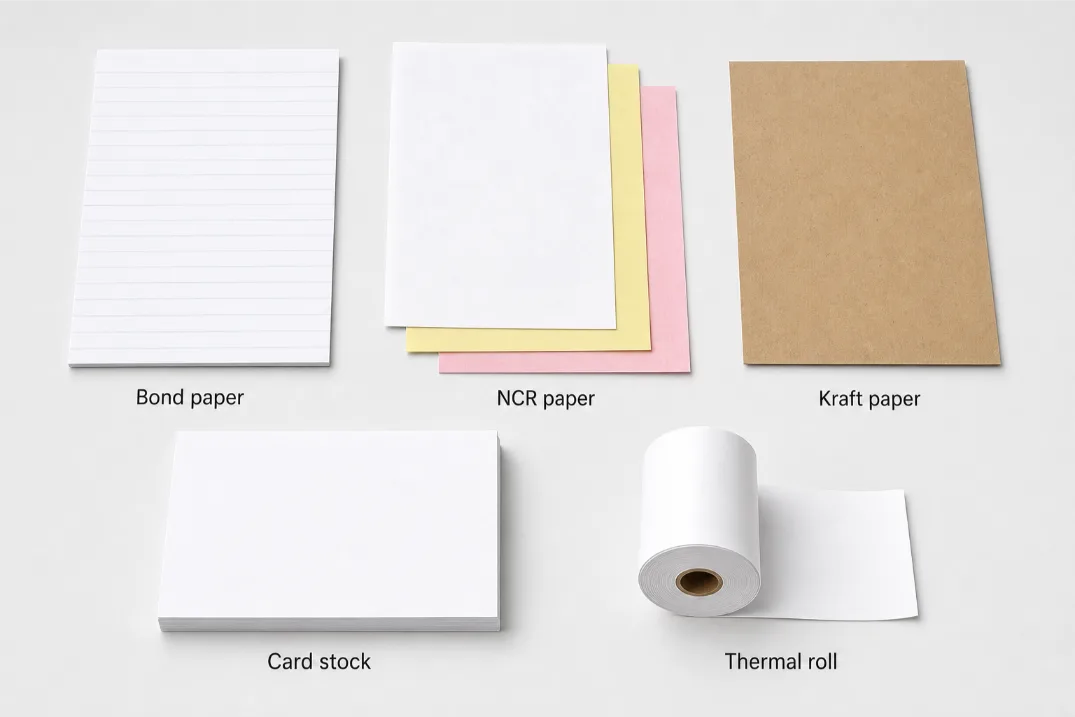
Bond paper
Good for writing pads, notepads, order pads and 1-part forms. It feels familiar for handwriting and is usually the simplest daily-use paper.
Best for: Memo pads, order pads, checklist pads, single-copy forms.NCR carbonless paper
Used when writing on the top sheet needs to transfer to lower copies. Common colors include white, yellow, pink, blue or green depending on copy order.
Best for: Invoice books, receipt books, work orders, delivery notes, guest checks.Kraft paper
Brown natural paper with a warmer recycled look. It works well when the product needs a casual, eco-style or restaurant packaging feel.
Best for: Tags, bands, paper packaging, restaurant paper accents.Card stock
Thicker and more rigid than writing paper. It gives tickets, covers and tags more structure and a stronger hand feel.
Best for: Numbered tickets, covers, tags, cards, backing sheets.Thermal paper
Used in receipt printers and POS systems. The key details are roll width, roll length, outside diameter and core size.
Best for: Register rolls, POS receipt rolls, thermal printer paper.Paper size guide
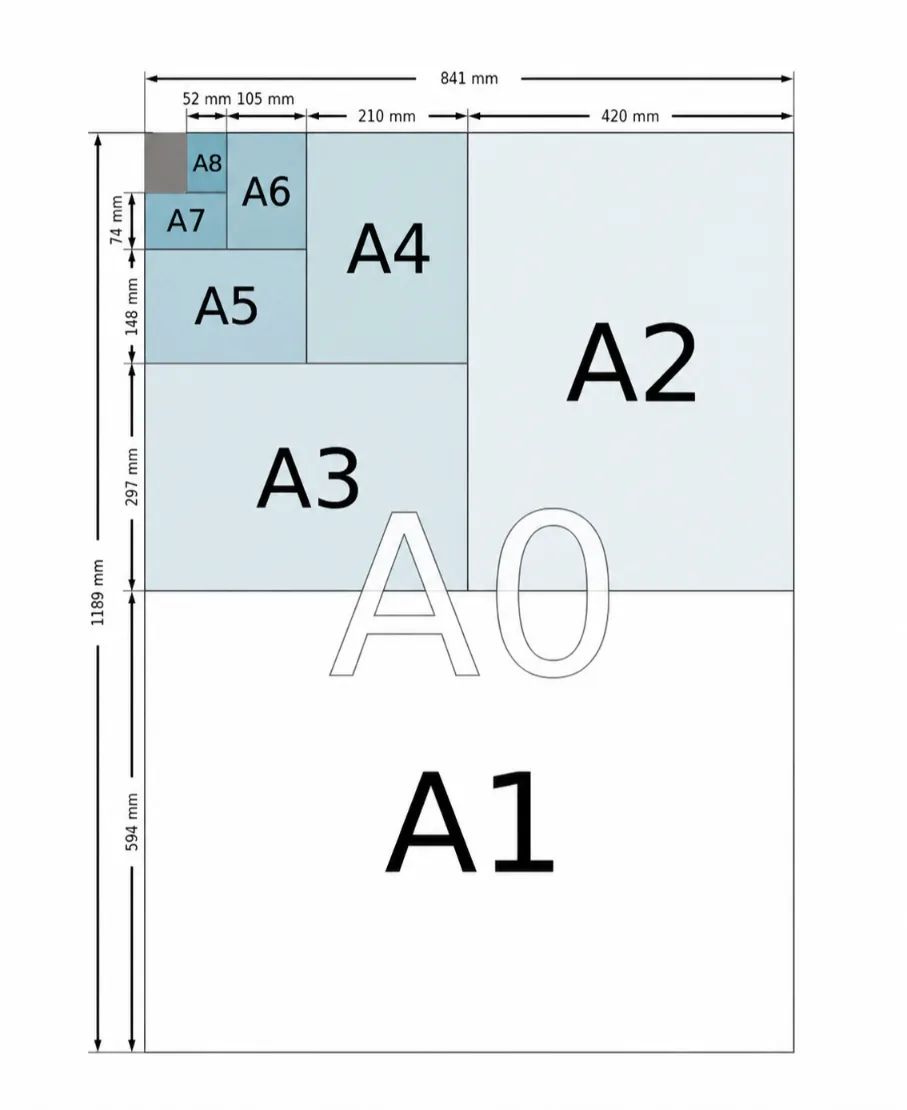
Finished size controls how much writing space your form has.
Use these printing guides to compare finished sizes before preparing your artwork or requesting a quote.
NCR copy parts
Choose both the form structure and the number of copies.
Our printing guides also explain how 1-part, 2-part, 3-part and multi-part NCR sets are assembled.
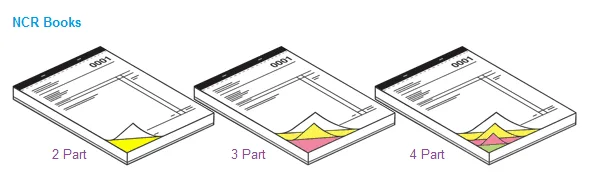
NCR Books
Bound together for organized record keeping. Suitable when office staff need invoice books, work order books or receipt books to stay in sequence.
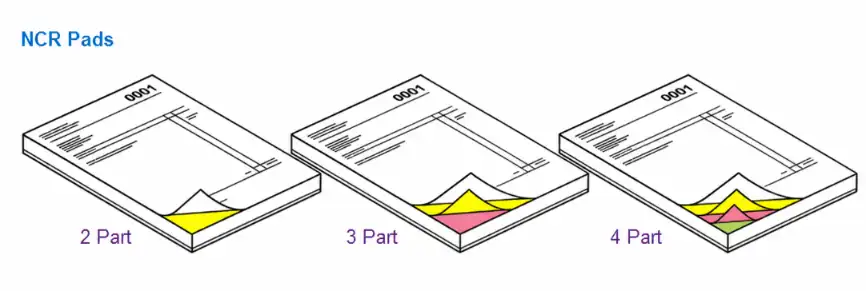
NCR Pads
Glued on one edge so each set tears away during daily use. Good for counters, service teams, guest checks and restaurant order pads.
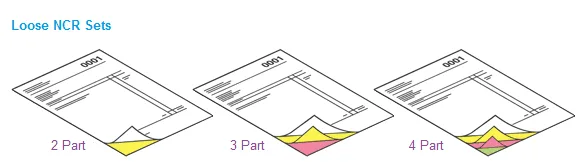
Loose Sets
Separate sets packed loose. Useful when carbonless forms are inserted into packages, folders, delivery documents or job folders.
Use when only one record is needed.
Common for customer copy and office copy.
Useful for customer, office and accounting, kitchen or driver copy.
Used when multiple departments need separate paper records.
Binding, perforation and use details
Finishing determines how the paper is held, torn, protected and kept.
Binding, punching, perforation and writing shields affect how staff write, tear, file and protect each custom printed form every day.
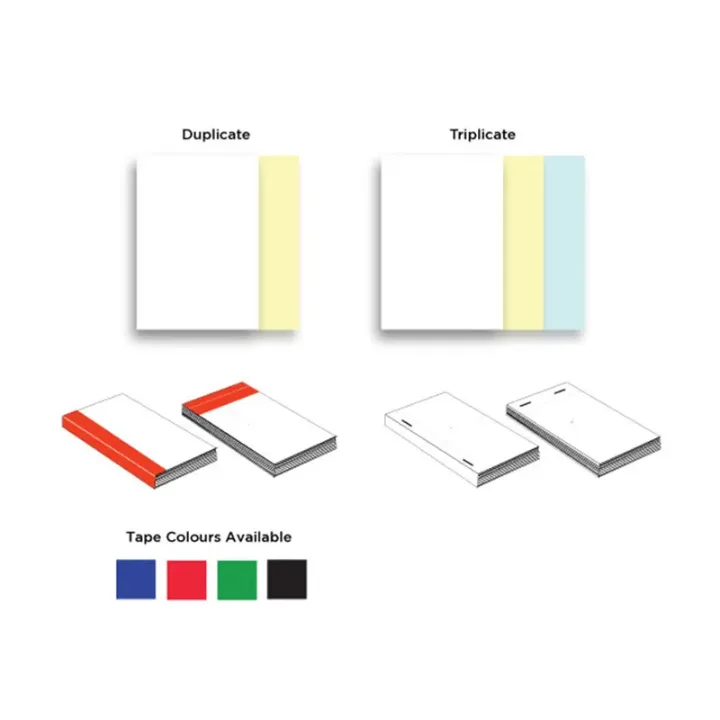
Tape or staple binding
Common for receipt books, delivery note books and small form books. It keeps sets together and makes forms easy to carry.
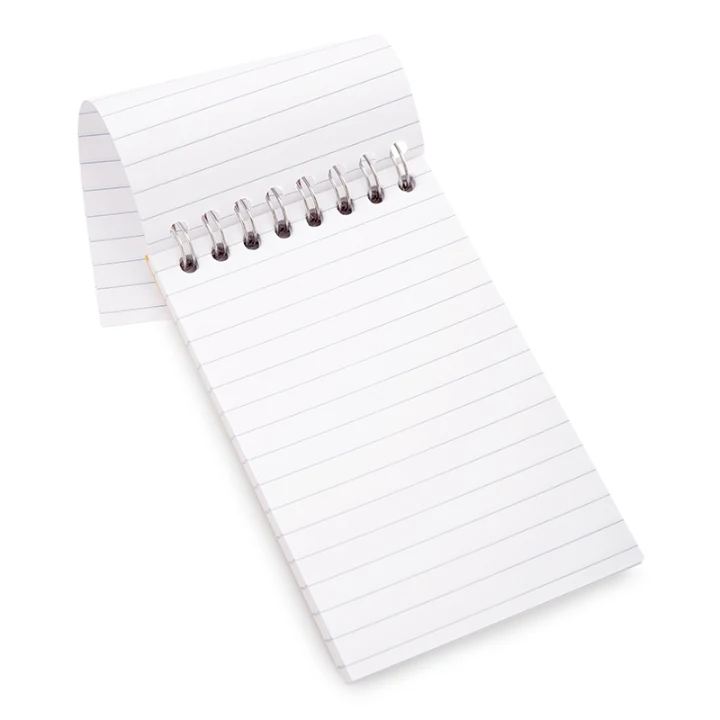
Wire binding
Best when pages need to turn smoothly and lay flat, such as notebooks, training materials or larger reference pads.

Easy perforation
Perforation creates a clean tear line. It is used for tear-off stubs, customer copies, numbered tickets, claim forms and detachable sections.
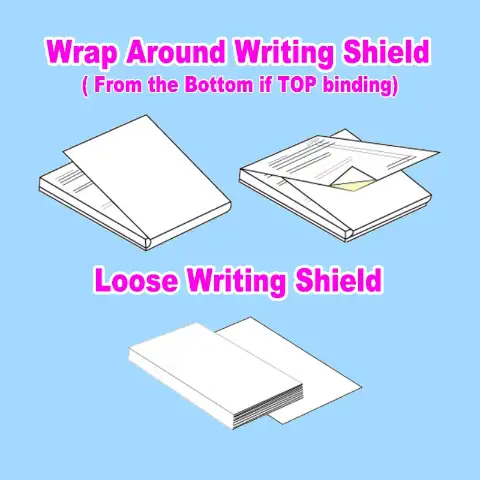
Wrap-around writing shield
A writing shield prevents pressure from transferring to unused lower sets in an NCR book. It is useful when forms are kept in one book.
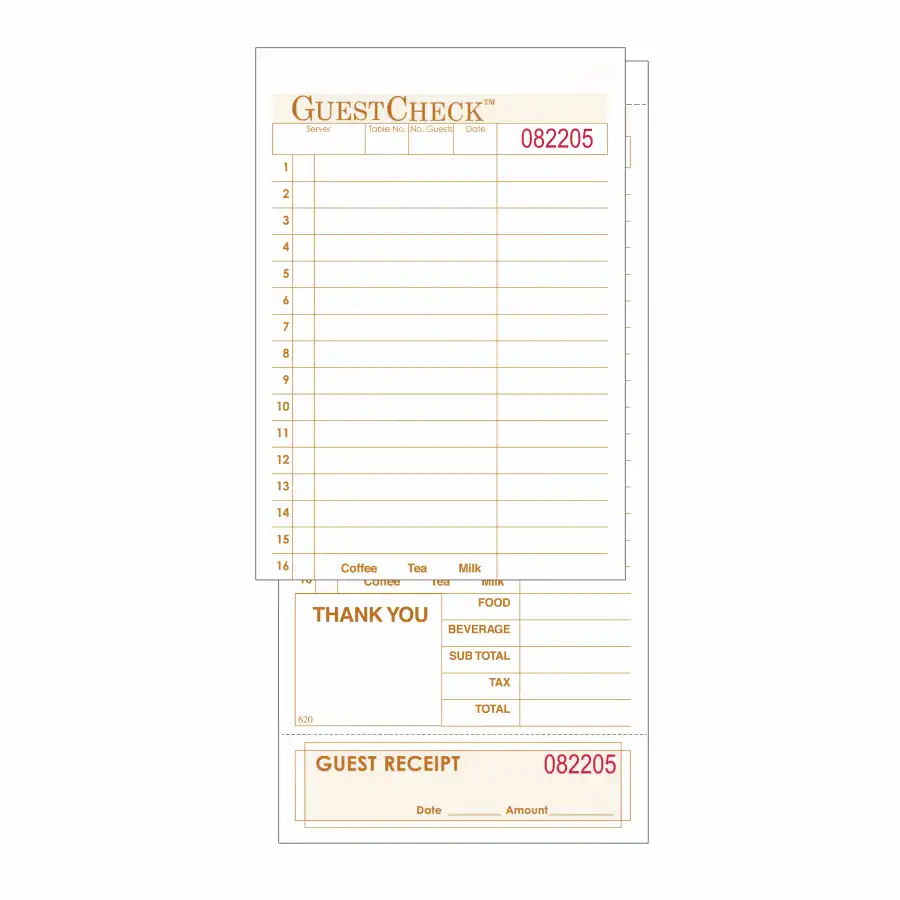
Short and long copy layout
Some forms use different copy lengths so one section can be retained while another is removed or handed to the customer.
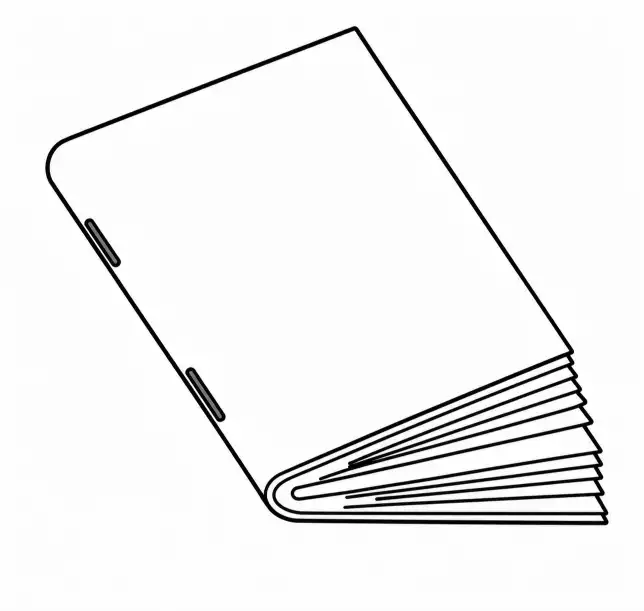
Saddle stitch
A folded and stapled method for lightweight booklets, instruction sheets and small paper book products.
Sequential numbering
Numbers are for tracking. Item numbers in old brochures are not the same thing as size.
There are two different kinds of numbers customers may see: sequential numbers printed on each form, and product item numbers from a brochure or supplier catalog. They serve different purposes.
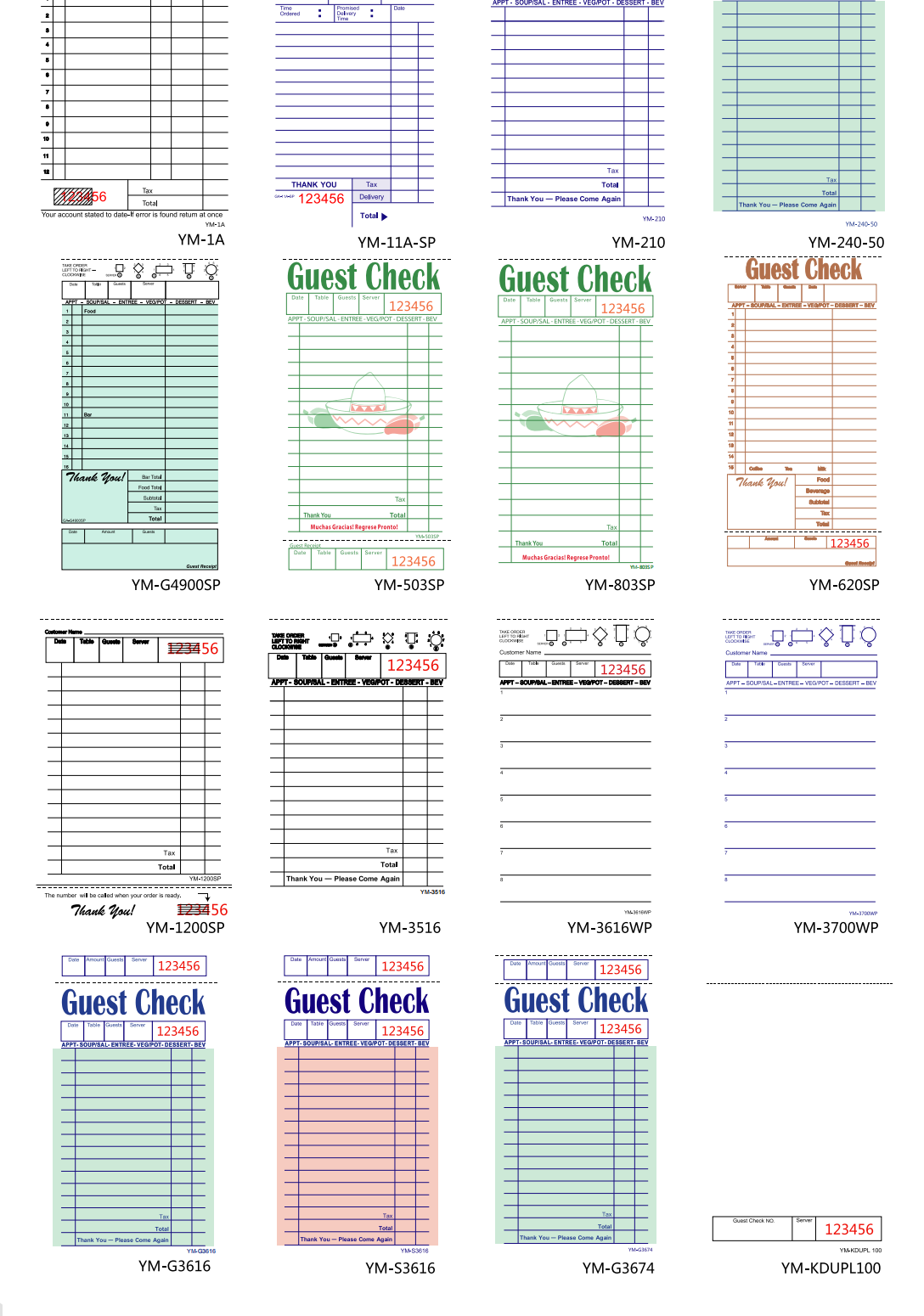
Guest check layout references
Samples as layout references for custom guest check printing.
Forms, notepads and guest checks can all be customized by layout, paper color, ink color, copy parts, numbering and finishing. The brochure shows many restaurant check styles, and those samples are useful references for table fields, menu item rows, tax, total, sequential numbering and color choices.
What the sample layouts help confirm
Use these references when the customer wants restaurant order pads, numbered guest checks, duplicate guest check books or custom waiter pads. The exact fields can be redrawn for the restaurant workflow.